

Courtrooms in cinema have always been more than just spaces of legal battles. They are stages where morality, justice, and social conscience collide in front of the audience. This October 31, 2025, audiences will witness one of the most provocative courtroom dramas. It is hard-hitting and engaging. The drama is titled The Taj Story. The film is headlined by the legendary Paresh Rawal. It features a powerhouse ensemble with Zakir Hussain, Amruta Khanvilkar, Sneha Wagh, and Namit Das.
What sets The Taj Story apart is its daring premise placing history itself on trial. Produced by CA Suresh Jha and Swarnim Global Services Pvt. Ltd. It is written and directed by Tushar Amrish Goel. The film unfolds as a riveting cinematic debate. The debate centers around the controversial question: Who truly built the Taj Mahal?
The Taj Story is set to release next month. Let’s have a look at the Hard-Hitting Courtroom Drama Films That Shaped Indian Cinema.

Damini
Rajkumar Santoshi’s Damini became a landmark film of the 1990s. Remembered for its gut-wrenching narrative and Sunny Deol’s thunderous courtroom outburst: Tareekh pe tareekh. At its core, the film is about Damini (Meenakshi Seshadri), a woman who refuses to stay silent after witnessing the rape of a domestic worker by her in-laws. The film highlighted not only women’s rights but also the societal pressure to silence truth. Damini remains a classic, combining emotional depth with one of Bollywood’s most iconic courtroom sequences.
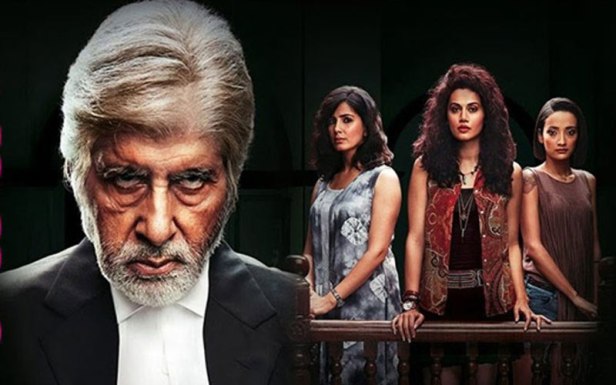
Pink
Shoojit Sircar’s Pink was less a film and more a social movement. Amitabh Bachchan played a weary but razor-sharp lawyer. Taapsee Pannu, Kirti Kulhari, and Andrea Tariang portrayed young women falsely accused after a night out. Pink scrutinized the idea of consent under the courtroom microscope. Bachchan’s haunting words, ‘No means no’, echoed far beyond the theatre halls. These words became a cultural statement about gender equality in India. The film’s tight, realistic courtroom sequences received widespread accolades from everyone.
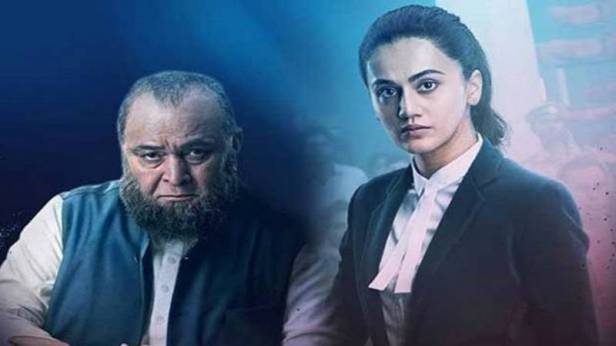
Mulk
Directed by Anubhav Sinha, Mulk is a brave exploration of religious prejudice and identity in contemporary India. Rishi Kapoor plays a Muslim patriarch accused of terrorism by association. Taapsee Pannu is his Hindu daughter-in-law fighting his case. The courtroom becomes a microcosm of India’s fault lines. The film questions whether the actions of one individual can tarnish an entire community. It also addresses patriotism, nationalism, and belonging. Mulk earned critical acclaim for its fearless storytelling. It is considered one of the most impactful legal dramas of the last decade.
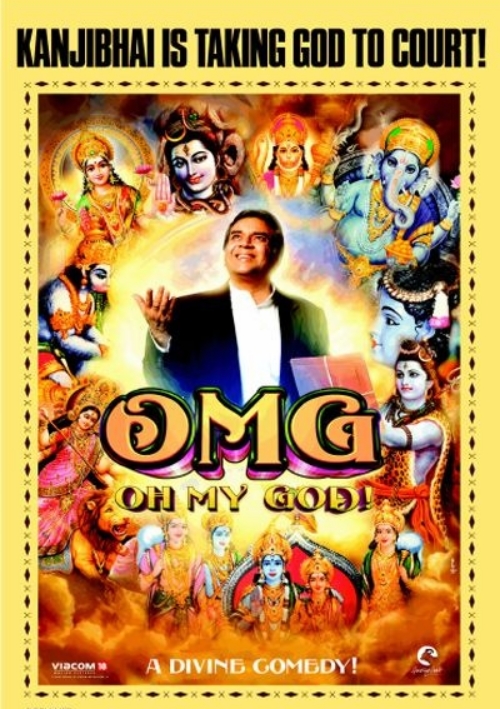
Oh My God!
While Oh My God! may not be a traditional courtroom drama, it cleverly uses the court as a central stage. It challenges blind faith and the commercialization of religion. Directed by Umesh Shukla and starring Paresh Rawal and Akshay Kumar, the film blends satire with profound questions about spirituality. The legal battle against self-styled “godmen” becomes a metaphor for India’s struggle between rationality and blind tradition. With its narrative, it managed to be both entertaining and thought-provoking, sparking conversations about organized religion.

Shahid
Hansal Mehta’s Shahid stars Rajkummar Rao in a National Award–winning performance. It is a deeply personal courtroom drama. The film is inspired by the real-life lawyer and human rights activist Shahid Azmi. The courtroom sequences in the film were raw and restrained. They were deeply unsettling. This reflects how justice is often weighed down by prejudice. Shahid stands apart for its realism. Its moral courage makes it one of Indian cinema’s most powerful explorations of law and humanity.

Jolly LLB
Subhash Kapoor’s Jolly LLB franchise brought satire into the courtroom drama genre. Both films in the series balanced humor with a sharp critique of corruption and loopholes in the Indian judicial system. Both films created a rare blend of mainstream entertainment and hard-hitting legal commentary. They proved that courtroom dramas could be both commercial and socially resonant.

 Unsung bollywood